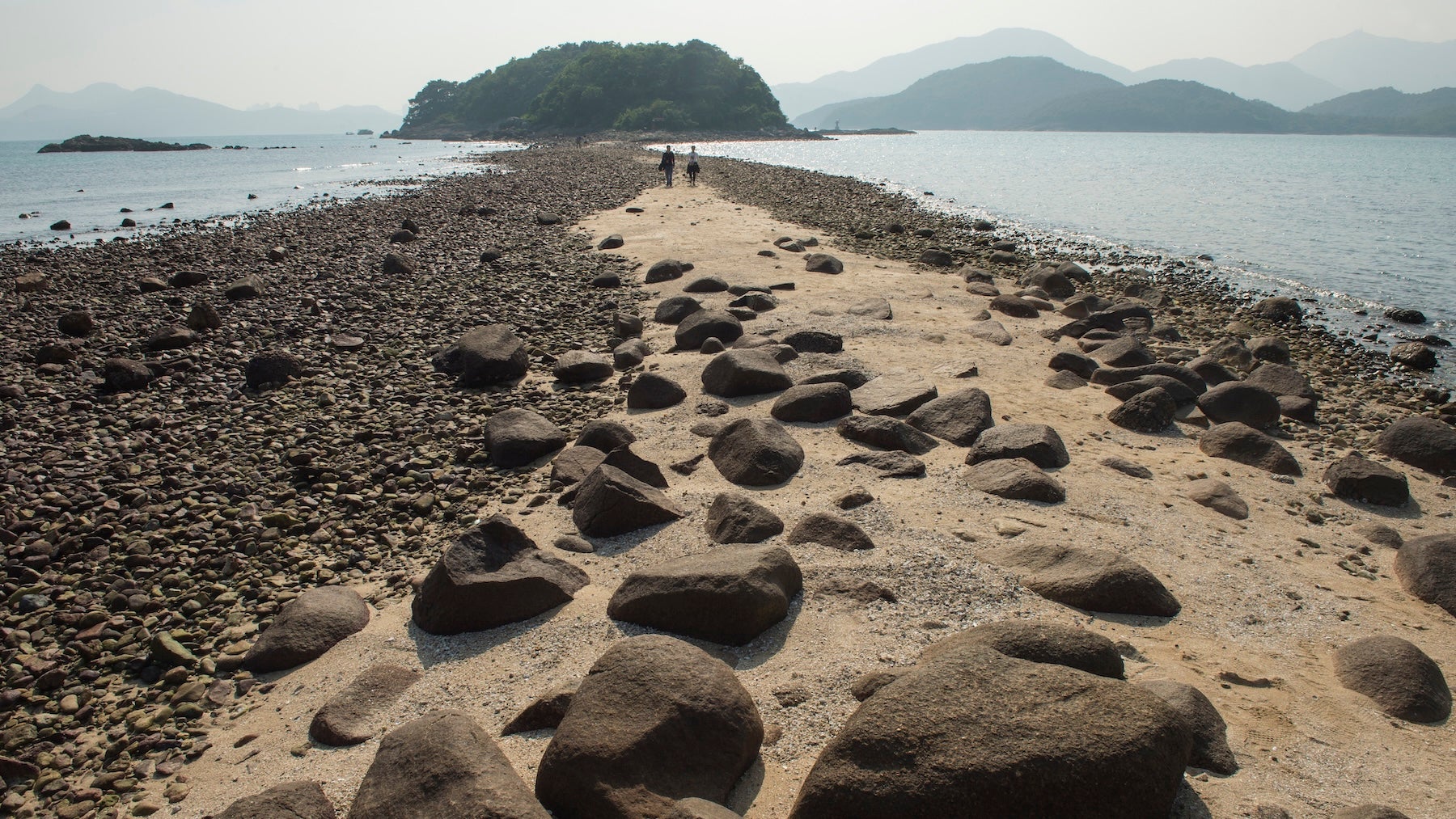
When it comes to outdoor adventures, national parks often steal the spotlight, drawing millions of visitors each year with their iconic scenery and well-established trails. However, a lesser-known category of protected areas—geoparks—are emerging as some of the most underrated hiking spots on Earth. These regions, designated for their geological significance and natural beauty, offer unique landscapes that rival or surpass those found in traditional national parks.
Geoparks are areas recognized by UNESCO for their outstanding geological heritage, which also often includes rich biodiversity and cultural history. Unlike national parks, which tend to focus on preserving specific ecosystems or iconic landmarks, geoparks emphasize the importance of geological features and processes. This focus results in landscapes that are both visually stunning and scientifically significant, making them perfect for adventurous hikers seeking something different.
One of the main reasons geoparks are underrated is their relative obscurity. Many travelers are unaware of their existence or overlook them in favor of more famous destinations. However, these areas often provide more secluded and pristine environments, free from the large crowds that flock to national parks. This solitude allows hikers to connect more deeply with nature and enjoy a more authentic outdoor experience.
Geoparks also tend to feature a diverse array of terrains, from towering cliffs and deep canyons to volcanic formations and mineral-rich landscapes. For example, the Zhangjiajie Geopark in China is famous for its pillar-like formations that inspired the floating mountains in the movie Avatar. Similarly, the Ijen Geopark in Indonesia offers surreal volcanic craters and turquoise acid lakes that are both breathtaking and scientifically fascinating.
Moreover, geoparks often incorporate cultural and historical elements, providing a holistic experience for visitors. Many include ancient trails, traditional villages, and archaeological sites that add depth to the hiking adventure. This integration of natural and cultural heritage makes geoparks not just scenic destinations but also places of learning and exploration.
Accessibility can be a challenge in some geoparks, as they are less developed than national parks. However, this is part of their appeal for many outdoor enthusiasts who seek off-the-beaten-path adventures. Proper planning and research can lead to rewarding experiences in these hidden gems, where the natural beauty is unspoiled and the sense of discovery is heightened.
In conclusion, while national parks will always hold a special place in the hearts of travelers, geoparks are emerging as some of the most underrated hiking destinations worldwide. Their unique geological features, fewer crowds, and cultural richness make them ideal for explorers looking for something extraordinary. As awareness grows, these hidden gems are poised to become the next big trend in outdoor adventure tourism.